

By Sarah Ali
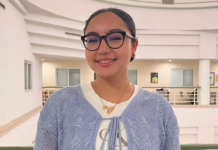
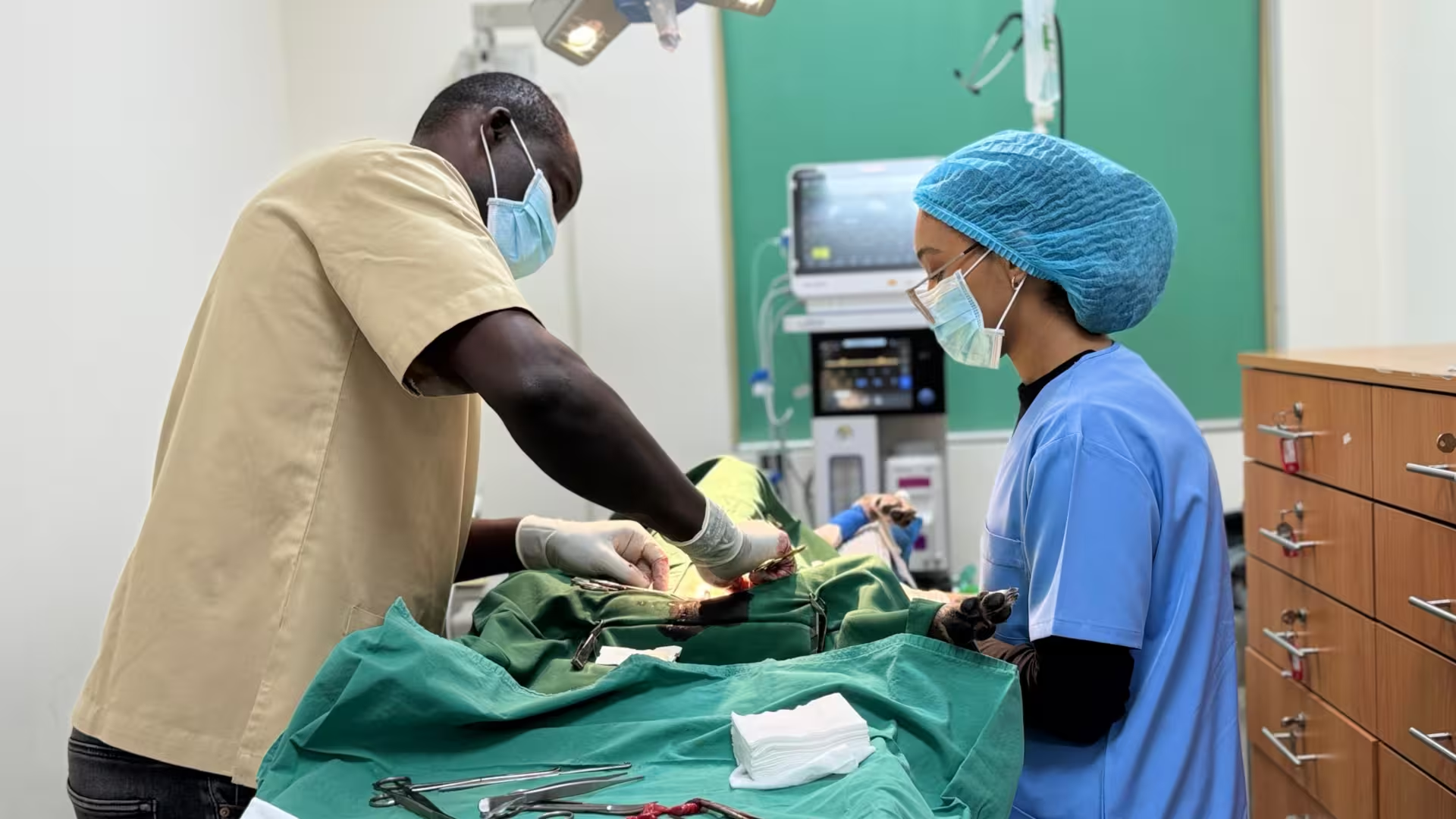
Aisha Al Maskary is an American University of Sharjah biology alumna. As an intern at a veterinary clinic, she navigates a steep learning curve that ranges from routine check-ups to drawing blood from various animals.
As a biology graduate, most people expect you to be in a research lab or in a master’s program. What are you doing now?
I’m currently interning at a vet clinic with my uncle, who is the head doctor there. He occasionally takes in graduates interested in pursuing animal welfare or veterinary work. I’m in my sixth month and it’s been incredibly fruitful. We don’t hear much about animal medicine in our studies so exploring this passion has been great.
Can you walk me through a typical day at the clinic?
I usually reach the clinic at around 8:30 a.m. and start by shadowing the most interesting cases. Around 10 a.m. is rush hour when handlers bring animals in, which is when I get involved with swabs, blood work and temperature checks. The doctors treat it like an inquiry session, asking me to check the facial structure or age. It’s a very interactive, hands-on experience.
Was there a specific moment or animal that inspired your choice?
It wasn’t one specific story, but rather wildlife exposure I had as a kid. Because my uncle is a veterinarian to the royal family, I had up-close interactions with monkeys, lions and tigers. He opened my eyes to the fact that there is more than just domestic cats. My eight-year-old brain focused on that more and never let go.
If you could choose a specialty within veterinary medicine, what would it be?
Primates. I believe chimpanzees are incredibly smart and studying them further would be a dream. I’m also a cat person, so the beauty of big felines like lions is just my love for house cats amplified. The ultimate dream is specializing in wildlife or exotic animals.
Since starting your internship, what has been your biggest win?
It sounds minor, but drawing blood from a lion on my second attempt was a big win for me. The first time, several doctors were watching and I did horribly; I was shaky and even poked my own finger. I was so discouraged. The next day, we visited another lion. I composed myself, went in and got the blood on the first try. The world felt like it was healing.
Drawing blood from a lion sounds intense compared to a house cat. How do the mechanics change when you’re dealing with wildlife?
It’s definitely a shift in perspective since you’re dealing with much larger anatomy in general. My uncle even joked with me when I was struggling, saying, “The vein is as big as your arm!” You have to adjust your mindset to the scale of the animal, but the pressure to be perfect is the same whether it’s a little kitten or a lion.
Veterinary work isn’t just physically demanding; it’s emotional. How do you handle it?
My family says I’m too sensitive and I see why. There are times you must accept that there is simply nothing you can do. Recently, we had a paralyzed cat that was so bright and loving, but its condition was deteriorating. Sometimes, the best way to help is to stop the suffering. Coming to terms with nature’s cruelty is the hardest part of the job.
Does seeing these cases alter the way you view the relationship between humans and animals?
It’s conflicting. You see animals hit by cars and you get mad at humanity. But, that is compensated for when you see pet owners who say, “This is my baby, please take care of them.” You see how much love reflects through a well-cared-for animal. One day you’re mad at people, the next, you like them again. It’s a 50-50 toss-up.
Has this experience confirmed that you want to go to veterinary school?
Absolutely. Initially, I didn’t know if I wanted to be a vet or a nurse. The responsibility of surgery made me nervous. However, being up-close with surgeries has calmed me. I can see myself as a surgeon now rather than being afraid of it. This internship is definitely a stepping stone; vet schools value this kind of hefty, real-world experience.
What advice would you give to another biology major who feels stuck in the traditional path?
Explore that voice telling you to step into the animal world. It’s a beautiful venture that showcases your empathy. Be the voice for the voiceless. Volunteer at shelters, intern at small clinics and don’t give up on moving away from the traditional path. Just seize every opportunity.